
Is air heterogeneous or homogeneous? This basic query delves into the very nature of the air we breathe, revealing fascinating complexities typically ignored. Understanding this distinction is essential for greedy a variety of scientific ideas, from atmospheric chemistry to climate patterns.
Air, seemingly uniform, is definitely a posh combination of gases. Nitrogen, oxygen, and hint quantities of different components and compounds create a dynamic system. This composition is vital to understanding its properties and conduct.
Air, the invisible substance that surrounds us, is an important half of the environment. However is air heterogeneous or homogeneous? This query, whereas seemingly easy, delves into the elemental nature of this important ingredient. Understanding the traits of air, and whether or not it is categorized as heterogeneous or homogeneous, is vital to greedy its conduct and influence on varied points of our lives, from climate patterns to our very respiratory.
Air, a seemingly easy substance, is definitely a posh combination. Understanding if it is homogeneous or heterogeneous requires a deeper dive into its composition. Exploring 8-letter phrases beginning with ‘s’ can illuminate the vastness of vocabulary, 8 letter words starting with s , however finally, air’s heterogeneous nature stems from the presence of assorted gases. This mix of nitrogen, oxygen, and hint components makes air a heterogeneous combination, not a homogeneous one.
What Defines Heterogeneous and Homogeneous Mixtures?
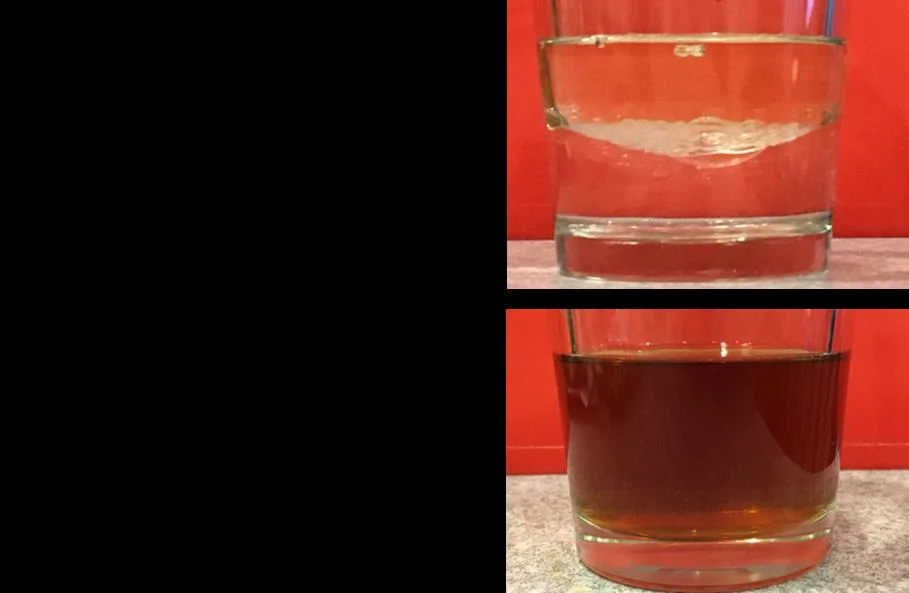
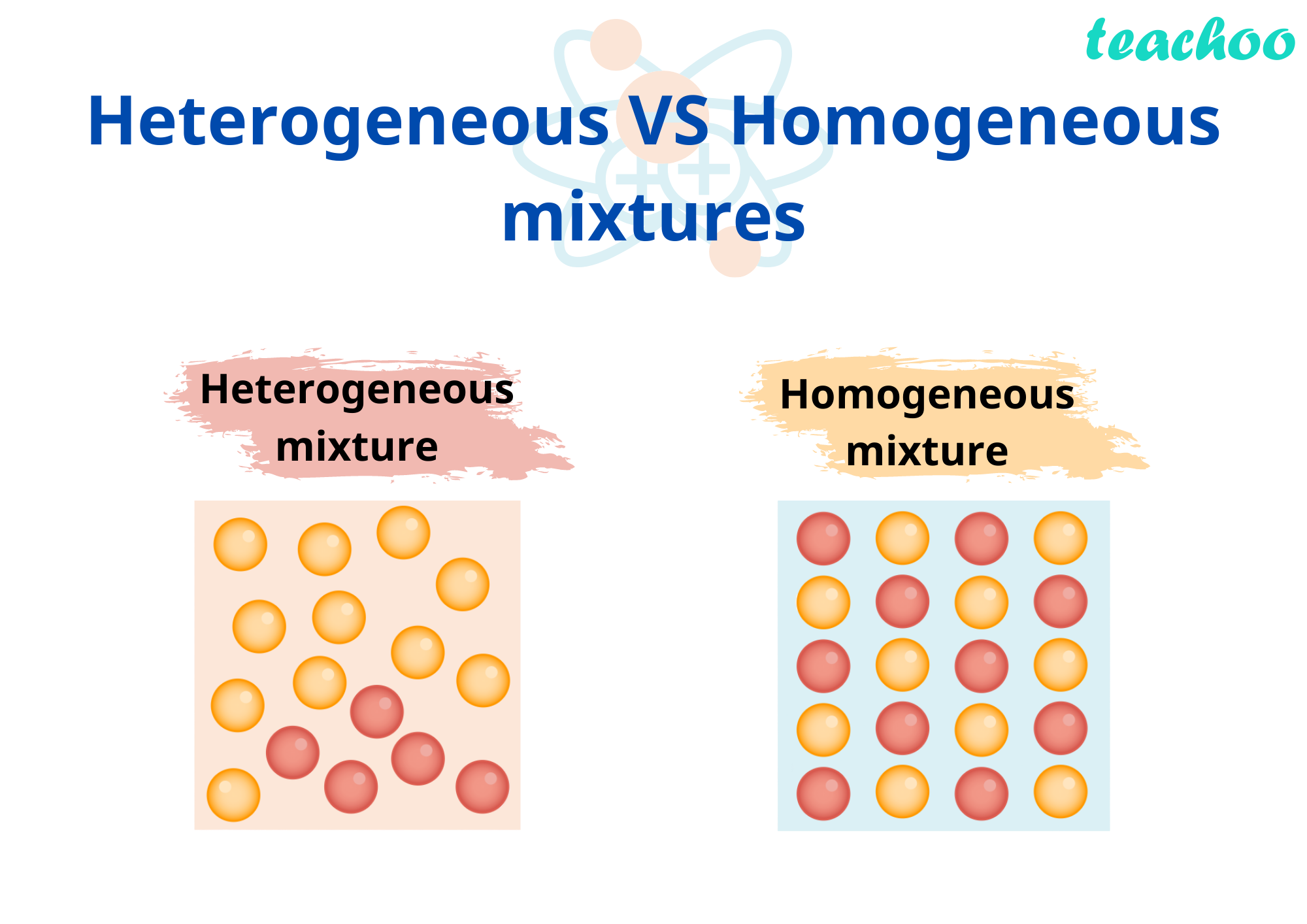
Earlier than we delve into air, let’s make clear the distinction between heterogeneous and homogeneous mixtures. A homogeneous combination has a uniform composition all through. Its elements are evenly distributed, and you’ll’t visually distinguish one part from one other. Consider saltwater—the salt dissolves fully into the water, making a uniform answer. A heterogeneous combination, however, has visibly totally different elements.
The totally different components of the combination are distinct and simply separable. Think about a bowl of salad—the lettuce, tomatoes, and different substances are clearly separate and do not mix collectively. The important thing distinction lies within the uniformity of composition.
Air’s Composition: A Nearer Look
Air is not only one substance; it is a combination of assorted gases. The first elements are nitrogen (round 78%), oxygen (round 21%), and hint quantities of different gases like argon, carbon dioxide, and neon. These gases aren’t evenly distributed in all components of the environment, and their concentrations can fluctuate relying on altitude and different elements.
Air, a seemingly easy substance, is definitely a posh combination. Understanding its composition is essential, particularly when contemplating medical contexts like using “decide o” in medical terminology, which refers to particular processes. opt o medical term illuminates the intricate nature of those processes, finally impacting the properties of air. Due to this fact, the classification of air as heterogeneous is correct, reflecting its variable elements.
Think about the next factors:
- Diversified Composition: The various concentrations of gases inside air, and the various density of air primarily based on elements like altitude, counsel that air is not uniform all through.
- Visibility of Elements: Particular person gasoline elements aren’t seen to the bare eye, making it seem uniform, but their totally different properties affect the air’s conduct.
- Dynamic Nature: Air’s composition is consistently altering as a consequence of elements like climate patterns, air pollution, and pure processes.
Is Air Heterogeneous or Homogeneous?
Whereas air may appear homogeneous at a macroscopic stage, a more in-depth look reveals that it is extra precisely described as a homogeneous combination. The gases that compose air are combined at a molecular stage, making a uniform mix. This uniformity is obvious in its potential to transmit mild, and its constant properties in a given location. Nonetheless, this uniformity is relative and may change throughout totally different areas and altitudes.
Key Variations in Follow, Air heterogeneous or homogeneous
Whereas air is generally homogeneous, the distribution of gases inside it could possibly create localized variations, influencing elements like density and strain. Because of this in sure contexts, and at particular scales, air may exhibit traits that appear heterogeneous. For instance, air air pollution or the presence of particulates could make air seem heterogeneous in particular areas.
Implications for Numerous Fields
Understanding whether or not air is heterogeneous or homogeneous is essential in varied fields:
- Meteorology: Climate patterns are influenced by the variations in air density and composition.
- Aerospace Engineering: Plane design and efficiency are affected by the various air density at totally different altitudes.
- Environmental Science: Air air pollution and its results are depending on the distribution and focus of pollution throughout the air.
Conclusion
Though air seems homogeneous at a macroscopic stage, its dynamic composition and the various distribution of gases imply that it is not completely uniform. The refined variations in air composition, whereas typically imperceptible, have vital implications throughout varied disciplines. Essentially the most correct classification of air is a homogeneous combination.
Air, a seemingly easy substance, is definitely a posh combination. Understanding its composition as heterogeneous or homogeneous relies on the dimensions of remark. This intricate nature contrasts with the simple nature of 4 letter phrases beginning in ‘j’, like ‘jolt’ or ‘jive’ – phrases which are far much less ambiguous. In the end, air’s complexity is essential to understanding its conduct, properties, and influence on our day by day lives.
four letter words starting in j. Whether or not it is a homogeneous or heterogeneous combination, air’s affect is plain.
[Lihat juga: Artikel tentang sifat-sifat gas]
This text supplies a fundamental understanding of air as a homogeneous combination. For a extra in-depth exploration of the nuances of air composition and its conduct, we encourage you to discover associated matters. If in case you have any additional questions or ideas, please depart a remark beneath.
Share this text with your folks and colleagues to broaden the dialogue. Dive deeper into the world of atmospheric science and associated fields by exploring our different informative items.
In conclusion, whereas air may seem homogenous at a macroscopic stage, its microscopic make-up reveals an interesting heterogeneous composition. This mix of gases, in fixed movement and interplay, finally shapes our world. From the air we breathe to the climate we expertise, understanding air’s properties is crucial to comprehending the intricate workings of our planet.
Air, surprisingly, is a posh combination of gases, making it heterogeneous. Understanding this important idea is important for comprehending many scientific phenomena. For those who’re contemplating giving up on a mission, you may contemplate what ‘dropping out’ means here. In the end, air’s composition, from nitrogen to oxygen, dictates its total properties, solidifying its heterogeneous nature.
Clarifying Questions
Is air an answer?
Air, a seemingly easy substance, is definitely a posh combination. Whereas it would seem homogeneous, the fact is much extra nuanced. Think about a person sitting on a sofa a man sitting on a couch , exhaling and inhaling, subtly altering the composition round him. This interaction of various gases, like oxygen and nitrogen, makes the air heterogeneous at a microscopic stage.
Understanding this complexity is vital to greedy the interactions between air and the environment.
No, air is a mix, particularly a homogeneous combination of gases. An answer, however, is a homogenous combination of a solute and a solvent, with the solute being dissolved within the solvent.
What are the principle elements of air?
The first elements of air are nitrogen (roughly 78%), oxygen (roughly 21%), and argon (roughly 0.9%). Different gases, like carbon dioxide and hint components, make up the remaining proportion.
How does air strain have an effect on the composition of air?
Air strain, a measure of the drive exerted by the air, does not change the
-composition* of the air itself. Nonetheless, it considerably impacts the
-density* of the air. Increased altitudes expertise decrease air strain, resulting in a decrease density of gases.
Does air air pollution change the elemental make-up of air?
Air air pollution introduces
-foreign* substances into the air, but it surely does not basically alter the
-composition* of air as a mix of gases. Air pollution modifications the
-quality* of the air by introducing dangerous contaminants.
