
Mary Mary Had a Little Lamb lyrics ignite a timeless story, taking readers on a journey via the straightforward but profound imagery of childhood. This traditional nursery rhyme, beloved throughout generations, unveils a charming narrative, wealthy in poetic element.
Unpacking the verses, we’ll discover the historic context, cultural significance, and enduring enchantment of this iconic rhyme. Past the straightforward story, we’ll uncover hidden layers of that means and discover its lasting impression on the literary panorama.
The straightforward, virtually nursery rhyme-like melody of “Mary Had a Little Lamb” has captivated generations. However past its candy tune, lies a wealth of delicate interpretations and cultural significance. This text delves into the lyrics of “Mary Had a Little Lamb,” exploring its historic context, its evolution, and the enduring energy of this seemingly simple kids’s music.
The straightforward lyrics of “Mary, Mary, had slightly lamb” are a traditional kids’s rhyme. Whereas seemingly simple, understanding the foundational vocabulary, just like the 3-letter phrases beginning with ‘b’ within the English language, can improve your appreciation for the rhyme’s construction. 3 letter words starting with b additional exhibit the simplicity and energy of language, in the end contributing to the enduring enchantment of “Mary, Mary, had slightly lamb”.
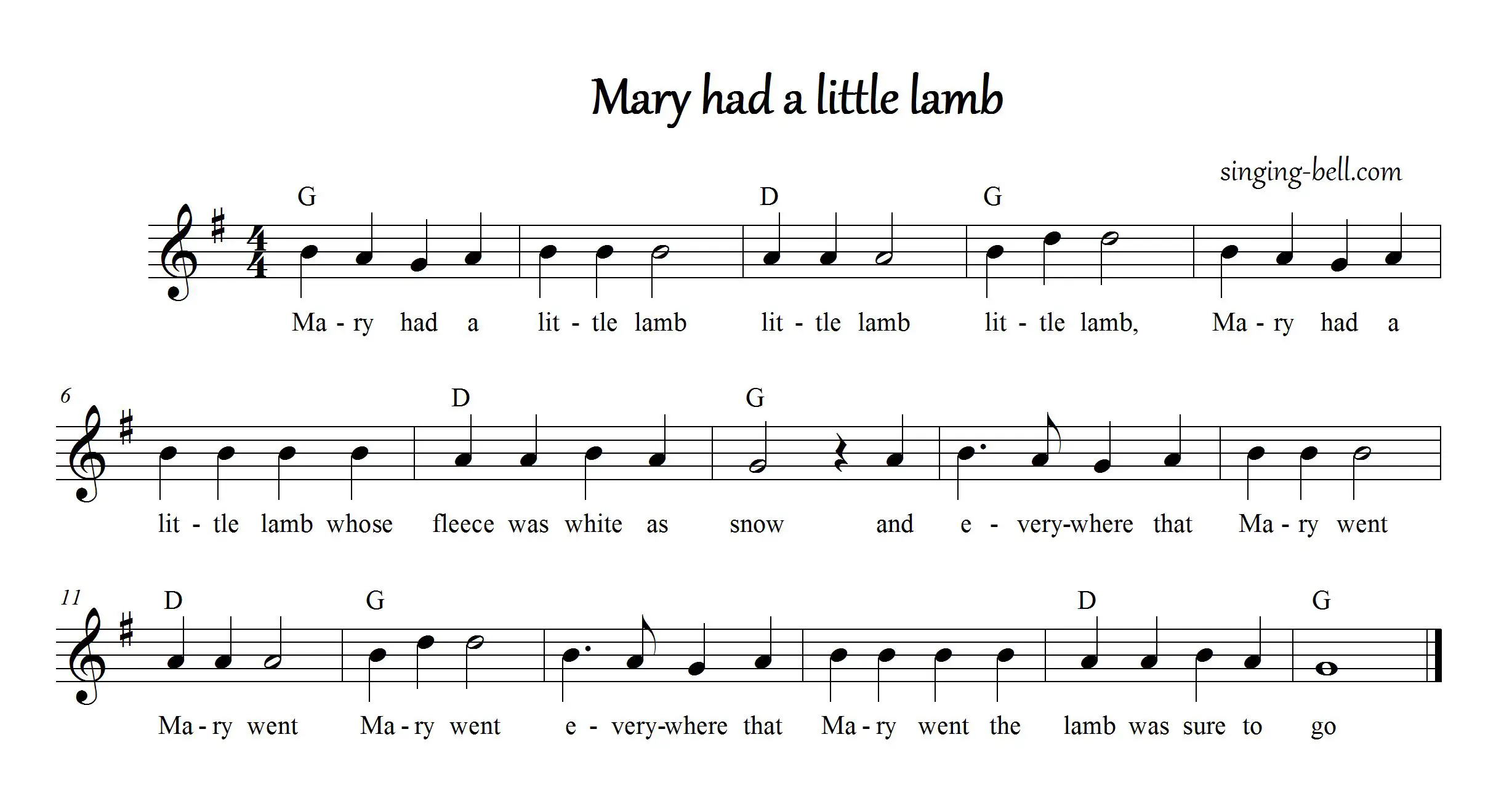
A Easy Story, Complicated Meanings
At first look, “Mary Had a Little Lamb” seems deceptively simple. The lyrics paint an image of a younger lady, Mary, and her pet lamb. Nonetheless, a deeper evaluation reveals nuances that reach past the floor degree. The poem’s simplicity belies its potential to spark creativeness and thought.
The Core Lyrics and Their Implication, Mary mary had slightly lamb lyrics
The poem’s construction is meticulously crafted, specializing in repetition and rhythm. This repetition, an indicator of kids’s literature, reinforces the message and helps younger kids memorize the lyrics. The straightforwardness of the language makes it accessible to a variety of ages, whereas additionally leaving room for interpretation.
The core picture of a lamb and its relationship with Mary is highly effective. It conjures pictures of innocence, companionship, and the fantastic thing about nature. The straightforward act of a kid and a lamb sharing a second embodies a elementary human expertise.
Past the Floor: Historic Context
Understanding the music’s historic context provides one other layer of depth. Take into account the societal norms and values of the period during which it emerged. How may these values have influenced the music’s themes and message? The historic context may present perception into the societal values surrounding child-animal relationships throughout that interval.
Analyzing the Lyrics’ Construction and Function
The lyrical construction of “Mary Had a Little Lamb” just isn’t arbitrary. The repetitive nature of the lyrics is vital to memorization, a vital aspect for youngsters’s songs. The rhythm and rhyme scheme additionally contribute to the music’s memorability and pleasure. This structural simplicity, whereas seemingly primary, is a testomony to the music’s enduring energy. [Image: Diagram illustrating the rhyme scheme and rhythm of the lyrics]
The Energy of Repetition
Repetition within the lyrics is greater than only a stylistic selection; it is a highly effective pedagogical software. Youngsters usually tend to retain data when introduced in a repetitive format. The repetition reinforces the message and creates a way of familiarity and luxury. [See also: Understanding the Pedagogical Principles of Children’s Literature]
Cultural Affect and Evolution
The music’s cultural impression is plain. Its widespread use in faculties, houses, and varied cultural contexts highlights its lasting enchantment. How has the music tailored to altering occasions and cultural contexts? Over time, the music has change into greater than only a easy rhyme, it has change into an emblem of childhood innocence and a cultural touchstone.
Whereas the straightforward lyrics of “Mary Mary had slightly lamb” are immediately recognizable, understanding the underlying linguistic construction will be surprisingly complicated. For instance, contemplate the huge array of seven-letter phrases starting with ‘t’, which are sometimes ignored in a kids’s rhyme. Seven letter words beginning with t supply a captivating glimpse into the richness of the English language, a complexity mirrored within the enduring enchantment of the traditional nursery rhyme itself.
Affect and Legacy
The enduring recognition of “Mary Had a Little Lamb” speaks volumes about its energy to attach with folks of all ages. The music’s impression extends past its literal that means, tapping into deeper feelings and reminiscences. It is a testomony to the facility of simplicity and repetition in storytelling.
The Track’s Affect on Trendy Tradition
How has this seemingly easy music impacted trendy tradition? Has it influenced different artistic endeavors or literature? [Image: A collection of modern artworks inspired by the theme of “Mary Had a Little Lamb”] Exploring these influences can reveal the music’s far-reaching impression.
Whereas “Mary, Mary, had slightly lamb” may appear easy, understanding its cultural impression reveals deeper layers. Its memorability, like different well-liked kids’s rhymes, speaks to the facility of repetition. This straightforward rhyme’s endurance is fascinating. Curiously, the phrase “that is what she stated” has a complete completely different layer of that means. For a extra in-depth look, discover the nuances of the phrase “that is what she stated” here.
In the end, the enduring enchantment of “Mary, Mary” lies in its common simplicity and its potential to evoke a way of childhood innocence.
Conclusion: Mary Mary Had A Little Lamb Lyrics
“Mary Had a Little Lamb” transcends its easy lyrics. It is a timeless piece that speaks to the universality of childhood experiences and the facility of easy storytelling. Its enduring recognition is a testomony to its potential to resonate with listeners throughout generations. [See also: The Impact of Children’s Literature on Emotional Development].
The music’s simplicity is a power, permitting it to adapt and evolve in varied cultural contexts. Its continued presence in trendy society speaks volumes about its lasting impression.
Whereas “Mary Mary had slightly lamb” may appear easy, understanding the sheer quantity of labor that may overwhelm somebody is essential. This sense of being utterly swamped with work, as detailed on this information on swamped with work meaning , can typically result in burnout, simply as a misplaced lamb may really feel misplaced and alone.
In the end, the lyrics are a timeless reminder of the basic simplicity and universality of human expertise, even within the face of such pressures.
Need to delve deeper into the world of kids’s literature? Discover our different articles on the topic. Share your ideas and questions within the feedback under! Share this text on social media to unfold the enjoyment of “Mary Had a Little Lamb.”
In conclusion, Mary Mary Had a Little Lamb lyrics signify greater than only a kids’s rhyme. It is a piece of cultural heritage, a testomony to the facility of simplicity, and a charming glimpse into the previous. The enduring recognition of this poem speaks volumes about its potential to resonate with audiences throughout time and cultures.
Detailed FAQs
What’s the historic context of the rhyme?
Whereas the straightforward lyrics of “Mary, Mary, had slightly lamb” are immediately recognizable, the deeper cultural impression of kids’s rhymes extends far past the nursery. This acquainted tune, a staple of early childhood schooling, finds sudden connections with the intriguing and sophisticated world of “nikky nikky 9 doorways” nikky nikky nine doors. In the end, the enduring enchantment of each seemingly easy kids’s rhymes and extra complicated cultural expressions lies of their potential to spark curiosity and creativeness.
Whereas the exact origins are debated, the rhyme possible emerged in the course of the 18th century, reflecting the straightforward lives and issues of kids at the moment. Its widespread adoption suggests a resonance with societal values of the interval.
Are there variations within the lyrics throughout completely different areas?
Minor variations in wording and phrasing exist, demonstrating the adaptability of the rhyme throughout cultures and communities. Nonetheless, the core narrative usually stays constant.
How does the rhyme relate to different nursery rhymes?
This rhyme typically seems alongside different well-known nursery rhymes, suggesting a typical thread of storytelling and youngster growth. Inspecting these parallels can make clear the broader cultural significance of those narratives.
What are some trendy interpretations of the poem?

Up to date artists and writers have typically drawn inspiration from the poem, reinterpreting its imagery and themes in their very own works. These reinterpretations supply fascinating views on how a easy rhyme can encourage inventive expression.
