
I really like you hand image – The “I really like you” hand image units the stage for a captivating exploration of nonverbal communication. From romantic gestures to familial bonds, this seemingly easy hand sign holds layers of which means throughout numerous cultures.
This deep dive uncovers the historical past, evolution, and cultural variations of this common expression. We’ll study how this gesture is interpreted in another way throughout the globe, providing insights into potential misunderstandings and the significance of context. Visible representations will illuminate the nuanced interpretations of this highly effective image, showcasing how physique language, lighting, and environment affect its notion. Moreover, a have a look at its presence in common tradition highlights its evolution and flexibility.
Cultural Significance of the Hand Image “I Love You”
The hand gesture signifying “I really like you” transcends linguistic obstacles, providing a robust and intimate expression of affection. Whereas the elemental idea of affection stays common, its manifestation via non-verbal cues varies considerably throughout cultures. This nuanced method to communication underscores the significance of cultural sensitivity and consciousness when decoding such gestures.The hand gesture’s evolution is intertwined with the evolution of human interplay and cultural expression.
Early types of communication seemingly integrated hand alerts, which over time advanced into extra complicated and culturally particular languages. This gesture’s which means isn’t static however relatively fluid, adapting to societal norms and evolving interpretations. The gesture, subsequently, cannot be understood with out contemplating the precise cultural context during which it’s used.
Variations Throughout Cultures
Understanding the cultural context is essential when decoding the hand gesture. Completely different cultures have distinct traditions, values, and communicative norms. A gesture meant to convey affection in a single tradition may very well be interpreted fairly in another way in one other.
| Tradition | Which means | Context | Variations |
|---|---|---|---|
| Western Cultures (e.g., North America, Europe) | Usually signifies “I really like you” in romantic contexts, and likewise in familial and pleasant contexts, although the precise hand gesture might fluctuate. | Typically utilized in romantic relationships, expressing affection between members of the family, or demonstrating camaraderie amongst pals. | The precise hand gesture may fluctuate barely based mostly on particular person choice and familiarity between the people. |
| South Asian Cultures (e.g., India, Pakistan) | The hand gesture might have totally different meanings, relying on the precise area and neighborhood. Generally, the identical hand gesture is perhaps used for “I really like you” in romantic contexts, however it could additionally carry different meanings in different contexts. | Utilized in romantic relationships, but additionally in expressions of respect or admiration inside familial and social settings. | Regional variations and private interpretations considerably affect the gesture’s which means. |
| East Asian Cultures (e.g., Japan, China) | The hand gesture won’t be used as steadily or might need a special which means. Direct expressions of affection are generally extra refined and oblique, typically counting on verbal communication and physique language. | Used much less steadily in expressing romantic love in comparison with verbal expressions. Could also be utilized in familial contexts, however with larger emphasis on respect and hierarchy. | Emphasis on nonverbal communication, with extra refined and oblique methods of expressing affection. Contextual nuances play a vital function in interpretation. |
Potential for Misunderstandings
Misinterpretations are attainable resulting from cultural variations. The identical gesture could be perceived in another way based mostly on cultural norms, traditions, and particular person interpretations. A gesture meant to precise affection may very well be misconstrued as disrespectful or inappropriate in one other tradition.
Contextual Utilization Examples, I really like you hand image
The hand gesture’s utilization varies throughout totally different contexts. It’s not solely reserved for romantic relationships. It may be used to convey love between members of the family, amongst pals, or in different social settings. The precise gesture and its interpretation rely upon the tradition and the context.
Addressing Cultural Nuances
It’s essential to pay attention to the cultural variations in decoding non-verbal cues. Sensitivity and consciousness are important to keep away from misinterpretations and foster optimistic communication. Observing cultural cues and understanding the nuances of communication can result in larger respect and understanding.
The “I really like you” hand image, a preferred gesture, typically will get misinterpreted. Understanding its nuances is vital, nevertheless it’s additionally vital to know the cultural context of comparable gestures. For instance, a “lemon occasion” ( whats a lemon party ) is usually a enjoyable, casual gathering. Finally, the “I really like you” hand image stays a robust and concise strategy to specific affection.
Visible Representations and Interpretations: I Love You Hand Image
The hand gesture “I really like you” transcends easy communication. It is a highly effective visible language, deeply influenced by cultural context and refined nuances of physique language. Understanding these nuances permits for extra exact interpretation and fosters stronger connections. Completely different variations of the gesture, mixed with accompanying physique language and environmental components, convey a large number of feelings and intentions.The visible illustration of the hand gesture “I really like you” is way extra complicated than a easy picture.
The “I really like you” hand image, a globally acknowledged gesture, typically conveys profound affection. Nonetheless, its deeper cultural implications are generally missed, very like the seemingly easy phrase “fowl fowl is the phrase,” a novel and intriguing idea explored in additional element here. Finally, understanding these nuances helps us respect the subtleties of human connection and the ability of nonverbal communication in expressing profound feelings like love, via the hand image.
It is a dynamic interaction of type, context, and emotion. The identical gesture can convey totally different meanings relying on the state of affairs and the person’s intentions.
Variations in Hand Gesture
Completely different variations of the “I really like you” hand gesture considerably alter its which means. A easy, open-palm gesture directed towards one other particular person is essentially totally different from a clenched fist with a pointed finger. The precise positioning of the fingers and the expression on the face contribute tremendously to the conveyed message.
Whereas the “I really like you” hand gesture is a robust strategy to specific affection, understanding the nuances of its which means is vital. For instance, take into account the various ranges of alcohol in drinks like Twisted Tea, which may affect how folks interpret such gestures. Figuring out the alcohol content material in Twisted Tea, as detailed on this article, how much alcohol is in twisted tea , is essential for decoding social cues and avoiding misunderstandings.
Finally, the “I really like you” hand image, like many types of communication, requires context to be totally understood.
Desk of Visible Representations
| Picture | Interpretation | Description | Context |
|---|---|---|---|
| Picture 1: Open palm, fingers barely curled, gaze directed on the recipient. | Affectionate, intimate expression of affection. | A relaxed, open hand gesture, with fingers barely curled inwards, directed in direction of the recipient, accompanied by a heat and direct gaze, signifies a heartfelt expression of affection. | In a close-knit relationship, this gesture may convey deep affection. |
| Picture 2: Clenched fist with one finger prolonged, directed in direction of the recipient. | Passionate, probably possessive love. | A clenched fist, with one finger pointed in direction of the recipient, suggests a extra passionate and probably possessive type of love. The depth of the gesture is mirrored within the agency grip of the hand. | In a relationship, this might specific a powerful and intense emotional bond. |
| Picture 3: Palm going through upwards, fingers prolonged, with a barely tilted head. | Type, supportive expression of affection. | A gesture the place the palm faces upwards, fingers prolonged, accompanied by a slight tilt of the top and a delicate smile, conveys a loving and supportive expression. It suggests a willingness to pay attention and care. | This gesture is perhaps utilized in a mentoring or supportive relationship. |
Affect of Physique Language
The effectiveness of the hand gesture is amplified by accompanying physique language. A smile, a heat tone of voice, and leaning in direction of the recipient all contribute to a optimistic interpretation of the gesture. Conversely, a furrowed forehead, a stiff posture, or averted gaze can considerably alter the which means.
Environmental Elements
Lighting, background, and surrounding objects additionally play a vital function in shaping the notion of the hand gesture. A dimly lit setting with smooth lighting and intimate environment can amplify the emotional impression of the gesture. Conversely, a brightly lit public house may diminish its depth.
Understanding the “i really like you” hand image is essential for efficient communication, however deciphering its cultural nuances could be difficult. For example, a standard query revolves across the connection to a crossword clue like “chinese language manner,” which could reference a specific gesture’s which means inside Chinese language tradition. This clue highlights the various interpretations of this seemingly easy hand sign throughout totally different societies, in the end impacting the understanding of the “i really like you” hand image.
Figuring out these nuances enhances communication.
The Hand Gesture in Well-liked Tradition and Media
The hand gesture signifying “I really like you” transcends easy communication. Its portrayal in common media reveals evolving cultural perceptions, emotional contexts, and the gesture’s adaptability throughout numerous genres. From refined romantic shows to dramatic expressions of affection, the gesture’s depiction in movies, tv, and music movies is a mirrored image of society’s evolving understanding of affection and relationships.
The “I really like you” hand image, a preferred strategy to specific affection, typically transcends language obstacles. Understanding the nuances of non-verbal communication, like this gesture, is vital in at this time’s globalized world. Contemplate additionally two-letter phrases ending in “a,” like “da” or “ha,” which is perhaps utilized in related context. This straightforward gesture, like these phrases, holds a robust connection, and understanding the nuances of communication in several contexts is important.
Studying concerning the “I really like you” hand image is a part of a broader communication technique, simply as exploring two letter words that end with a is usually a fascinating train.
Situations of the Hand Gesture in Media
The “I really like you” hand gesture seems steadily in common media, showcasing its versatility and the various methods it is interpreted. It is utilized in moments of each profound and lighthearted affection, reflecting the vary of feelings related to love. Evaluation of those portrayals reveals a wealthy tapestry of cultural nuances.
Evaluation of Portrayal in Completely different Media
The “I really like you” hand gesture isn’t static in its portrayal. Its which means and context change relying on the medium and the narrative. Contemplate how this gesture is utilized in totally different media kinds. Films typically put it to use to convey a personality’s deep-seated emotions, whereas tv exhibits may make use of it for comedic impact or to underscore a relationship’s improvement.
Evolution of the Gesture Throughout Time and Genres
The illustration of the hand gesture has undoubtedly advanced throughout numerous time intervals. Early portrayals might need been extra easy of their romantic connotation, whereas trendy interpretations could be extra nuanced and even symbolic, relying on the precise context inside a given movie, tv present, or music video. Style additionally influences the interpretation; a romantic comedy will use the gesture in another way than a dramatic thriller.
Well-liked Media Examples
- Within the film “Titanic,” the enduring hand gesture is used to precise a profound connection between the characters, conveying a deep and eternal love.
- In a contemporary tv sequence, the hand gesture is perhaps used as a lighthearted strategy to specific affection between characters who’re nonetheless navigating their relationship.
- A music video may showcase the gesture as a robust image of passionate love, reflecting the extreme feelings throughout the music’s narrative.
Desk Demonstrating Variations
| Media | Instance | Interpretation | Context |
|---|---|---|---|
| Romantic Comedy | A scene in “When Harry Met Sally…” the place characters use the gesture playfully. | Lighthearted affection, early phases of relationship. | The characters are attending to know one another. |
| Drama | A scene in “The Pocket book” the place the gesture is used to precise a deep-seated and enduring love. | Profound and enduring love. | The characters’ love story is at its core. |
| Music Video | A music video for a up to date pop music the place the gesture signifies passionate love. | Passionate and intense love. | The video conveys the emotional core of the music. |
Final Level
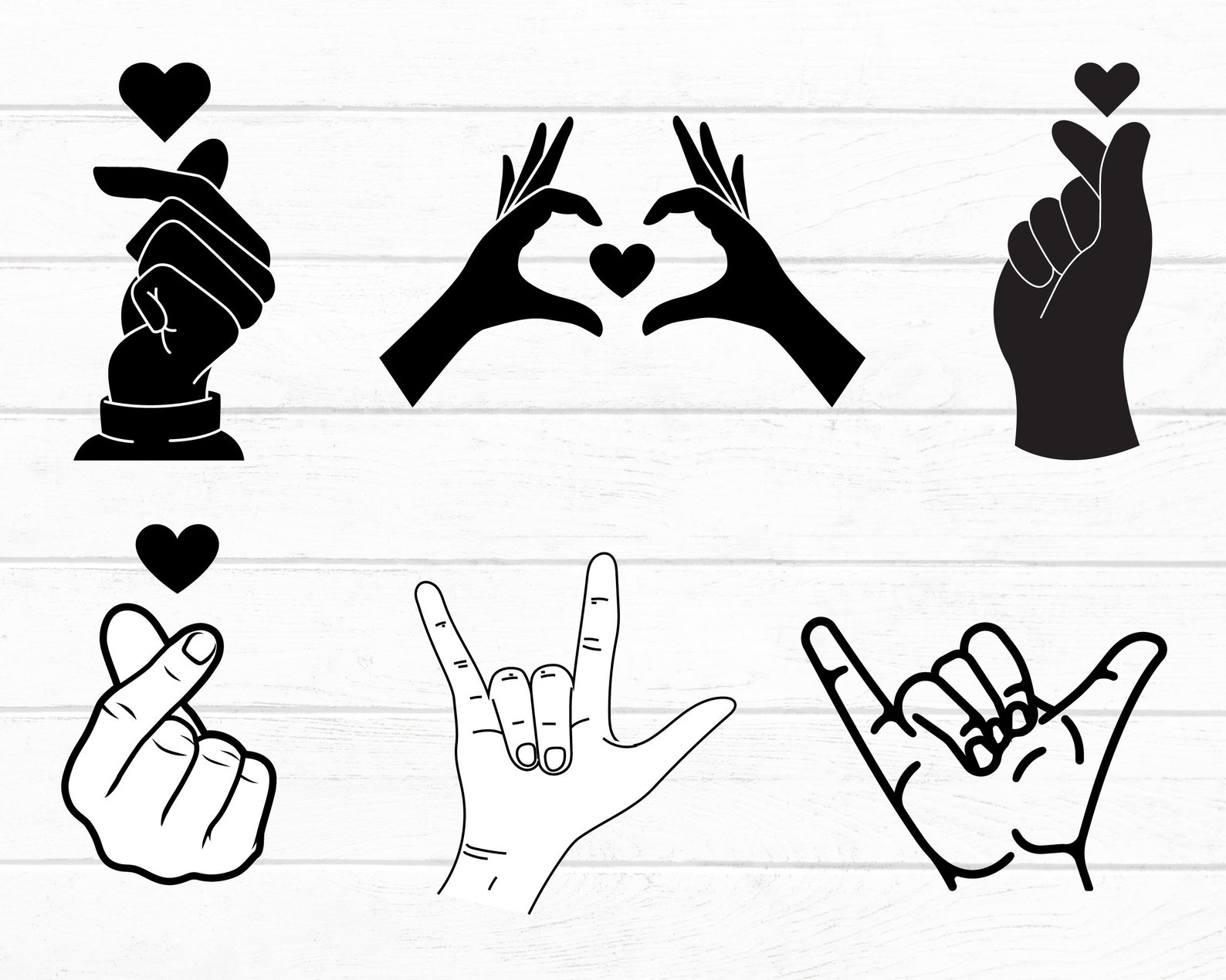
In conclusion, the “I really like you” hand image, although seemingly easy, is a fancy tapestry woven with cultural threads. Its which means varies considerably throughout societies, demanding cautious consideration of context and nonverbal cues. By understanding these nuances, we acquire a deeper appreciation for the ability of communication, each verbal and nonverbal. This understanding additionally fosters empathy and bridges cultural gaps.
Common Inquiries
How does the “I really like you” hand gesture differ in Western and Japanese cultures?
Whereas the gesture itself is perhaps related, interpretations and contexts for its use can fluctuate tremendously. In Western cultures, it is typically utilized in romantic contexts, whereas in some Japanese cultures, it would maintain extra familial or common affection which means. All the time be conscious of the encircling cultural norms.
What are some frequent errors folks make when utilizing this hand gesture?
Assuming common understanding is a frequent pitfall. Cultural variations in nonverbal communication can result in misinterpretations. Observing the encircling context and physique language is essential to avoiding miscommunication.
Can lighting or background have an effect on the notion of this hand gesture?
Completely. Lighting situations and the background can affect how the gesture is perceived. A dimly lit setting, as an illustration, may alter the interpretation in comparison with a brightly lit one. The background may also add refined cues or distractions, altering the recipient’s understanding.
Are there any examples of the “I really like you” hand gesture in historic information?
Whereas particular historic examples is perhaps difficult to pinpoint definitively, early depictions of comparable gestures in artwork and cultural artifacts may present helpful clues concerning the evolution of this type of nonverbal communication.
