
Spider net in Spanish, a elementary idea in understanding the nuances of the language, opens an interesting window into cultural expression and linguistic variety. This exploration delves into the intricacies of the interpretation, providing insights past easy word-for-word replacements. We’ll unravel the nuances, analyzing the varied contexts the place this time period is perhaps used, from the literal to the metaphorical.
The varied makes use of of spider net in Spanish mirror the wealthy tapestry of human expertise. From describing the intricate patterns spun by arachnids to conveying ideas of complexity and interconnectedness, the time period embodies a outstanding versatility. This evaluation will unearth the other ways wherein the Spanish language makes use of this idea, showcasing the depth and breadth of its vocabulary.
Understanding the intricacies of a spider net in Spanish, for instance, “telaraña,” reveals an interesting microcosm of nature’s design. This intricate construction, nonetheless, is dwarfed by the complexities of contemporary political discourse, notably as explored on platforms just like the channel for political nerds. Finally, the patterns and connections throughout the “telaraña” can present a helpful analogy for navigating the often-tangled net of political debate.
The Spanish time period for spider net, telaraña, is greater than only a description of a pure phenomenon. It holds cultural and symbolic weight, showing in literature, folklore, and on a regular basis conversations. This complete information delves into the nuances of telaraña, exploring its linguistic origins, cultural significance, and sensible purposes.
Deciphering the Linguistic Roots of Telaraña: Spider Internet In Spanish
The phrase telaraña originates from the Latin phrase tela, that means “net” or “fabric.” This connection underscores the intricate construction of the spider’s creation. The addition of the suffix -araña, stemming from the phrase for “spider” ( araña), gives context, straight linking the online to its creator. This linguistic evolution displays the shut commentary of nature that has at all times been a part of human language.
Whereas “telaraña” is the widespread Spanish time period for spider net, understanding the nuances of four-letter o phrases like “alone” or “ozone” can surprisingly improve your search engine marketing technique. This understanding of the intricacies in language, just like the connection between spider net in Spanish and different phrases, can unlock insights into how serps interpret your content material. A deeper understanding of those delicate connections, just like the hyperlink between “spider net” and “4 letter o phrases” ( four letter o words ), can in the end result in simpler content material creation, thus optimizing your method to net copy.
Past the Bodily: Exploring Cultural Connotations
Past its literal that means, telaraña carries symbolic weight. In varied Spanish-speaking cultures, it typically represents:
- Intricacy and complexity: The intricate patterns of a telaraña mirror the complexity of life and relationships.
- Hidden risks or traps: The online may symbolize hidden risks or traps, a delicate metaphor for all times’s challenges.
- Endurance and commentary: In some contexts, telaraña symbolizes the necessity for endurance and cautious commentary, as spiders patiently wait for his or her prey.
- Nature’s artistry: In different circumstances, the wonder and artistry of a telaraña symbolize nature’s intricate designs.
Telaraña in Literature and Folklore
The presence of telaraña in literature and folklore is critical. Authors have used it to create evocative imagery, typically linking it to themes of thriller, solitude, and even decay. [See also: Exploring Metaphors in Spanish Literature]. For instance, a poem may use telaraña to represent the passage of time, whereas a folktale may characteristic it as a harbinger of misfortune.
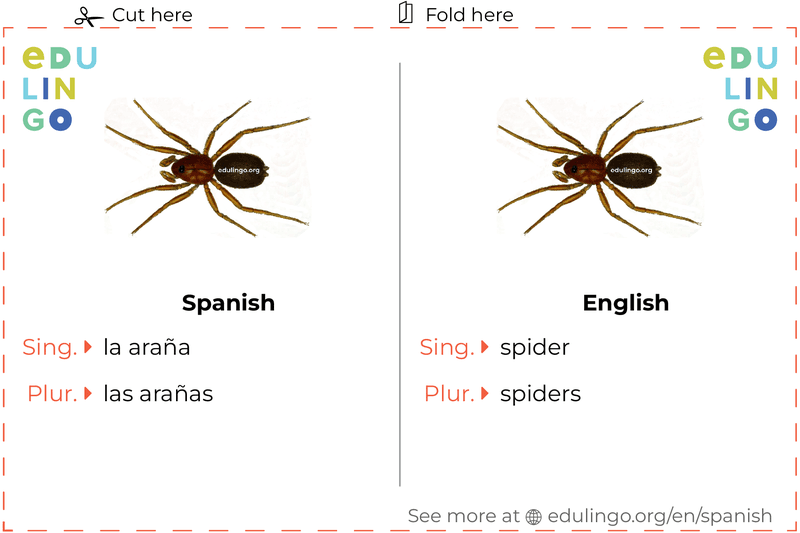
Whereas “araña” is the usual Spanish translation for “spider,” understanding the nuances of spider webs in numerous Spanish-speaking cultures may be fascinating. As an illustration, exploring the idea of a “pillow princess,” a time period utilized in sure on-line communities, might provide perception into the cultural symbolism typically related to spider webs. What is a pillow princess mean ?
Finally, the imagery of spider webs in Spanish continues to be wealthy with cultural and metaphorical that means.
These examples exhibit the wealthy tapestry of cultural meanings woven into this seemingly easy phrase.
Sensible Purposes and Scientific Concerns
Whereas primarily a linguistic and cultural idea, telaraña additionally has sensible purposes. In sure scientific contexts, the construction of the spider net is studied for its outstanding power and design effectivity. The research of telaraña is an interesting exploration of organic engineering. [See also: How Spider Webs Inspire Innovative Technologies]
Variations and Associated Phrases
Whereas telaraña is the commonest time period, there are regional variations and associated phrases that is perhaps used to explain a spider net. [Image: Map highlighting regional variations in spider web terminology]. These variations, whereas delicate, mirror the various linguistic landscapes throughout Spanish-speaking areas.
Whereas “araña” is the widespread Spanish time period for spider, understanding the nuances of spider webs in numerous Spanish-speaking cultures is perhaps attention-grabbing. Realizing the right way to resolve a small hand drums crossword, just like the one discovered here , might unlock a deeper appreciation for the intricate patterns of a spider net. Finally, Spanish vocabulary for spider webs, like “telaraña,” is fascinating to discover.
Conclusion: Unveiling the Layers of Telaraña
The Spanish phrase telaraña transcends a easy description of a spider’s net. It embodies a wealthy tapestry of linguistic origins, cultural connotations, and sensible purposes. By exploring the intricacies of this seemingly easy phrase, we acquire a deeper appreciation for the nuances of the Spanish language and the various methods wherein cultures understand and work together with the pure world.
Wish to discover extra associated matters? Learn our articles on [See also: Spanish Idioms and Expressions] and [See also: Cultural Significance of Animals in Spanish Folklore].

Go away your feedback or questions under! Share this text on social media to assist others uncover the fascinating world of telaraña!
In conclusion, exploring the multifaceted world of “spider net” in Spanish reveals a fascinating interaction of literal that means and cultural connotations. This exploration, whereas targeted on a single time period, highlights the richness and complexity of the Spanish language. The insights gained provide a deeper understanding of how language displays and shapes our worldview. Additional investigation into related linguistic phenomena guarantees to disclose extra in regards to the interconnectedness of language and tradition.
Whereas “telaraña” is the widespread Spanish phrase for spider net, exploring different Spanish vocabulary may be fascinating. As an illustration, delving into 9-letter phrases beginning with “w” can provide a recent perspective on language. 9 letter words that start with w showcasing the vastness of language potentialities, and in the end enriching our understanding of the intricate world of spider webs in Spanish and past.
Q&A
What are some widespread errors folks make when translating “spider net” into Spanish?
Some widespread errors contain utilizing a literal translation that does not seize the supposed context. For instance, a direct translation may not convey the metaphorical that means if the “spider net” represents a posh community. Cautious consideration of the particular scenario is vital to an correct translation.
How does the context affect the interpretation of “spider net” in Spanish?
The context dictates the suitable translation. If discussing a literal spider net, the interpretation will differ from utilizing it metaphorically to explain a posh net of relationships or a tangled downside. Understanding the supposed that means is essential for correct communication.
Are there regional variations in how “spider net” is translated or utilized in Spanish-speaking international locations?
Whereas the core translation is constant, nuances in regional dialects and colloquialisms may affect the particular time period used. Additional analysis into particular regional contexts can provide a extra nuanced understanding.
