
To be armed to the enamel units the stage for this enthralling exploration, unraveling the multifaceted idea of navy preparedness all through historical past. From historic civilizations to trendy warfare, the pursuit of superior armament has formed societies, influenced conflicts, and left an indelible mark on human civilization. We’ll study the evolution of weaponry, its cultural affect, and the strategic implications of being “armed to the enamel,” uncovering the advanced relationship between energy, protection, and world politics.
This journey will delve into the historic context, exploring the timeline of weapon improvement and its affect on warfare. We’ll analyze the cultural perceptions of armament, contrasting interpretations throughout societies, and inspecting how the phrase “armed to the enamel” has developed over time. Moreover, we’ll analyze the strategic implications, exploring how superior weaponry impacts navy operations, battle escalation, and worldwide relations.
This complete evaluation goals to supply a nuanced understanding of a phrase deeply embedded in our collective consciousness.
Historic Context of Armament
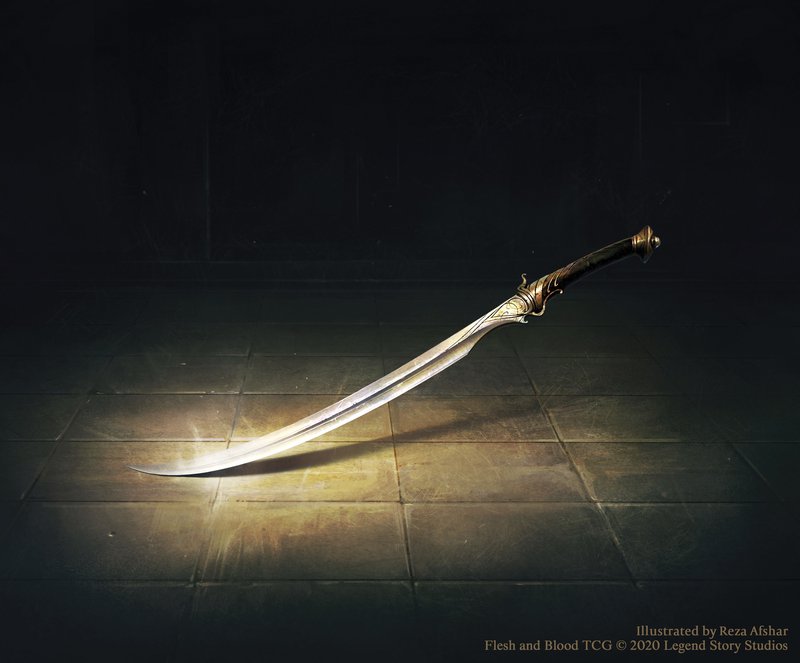
The evolution of warfare is inextricably linked to the event of weaponry. From easy instruments to stylish technological marvels, the strategies of battle have mirrored the developments in human ingenuity. This historic journey reveals not solely the progress of navy expertise but additionally the altering dynamics of warfare, and the profound affect these developments have had on civilizations.Understanding the historic improvement of weaponry offers essential context for evaluating present navy methods and anticipating future tendencies.
The development from early hand-held weapons to modern-day arsenals gives invaluable insights into the enduring human need to defend and conquer, and the relentless drive to innovate.
Timeline of Weaponry Improvement
A complete historic timeline of weaponry improvement highlights key milestones in navy expertise. This timeline showcases the constant human need to enhance each offensive and defensive capabilities.
- Historic Occasions (Pre-1500 AD): Early weapons, reminiscent of spears, bows and arrows, and swords, have been primarily developed for close-quarters fight. These instruments, typically crafted from available supplies, mirror the constraints of the period. Defensive fortifications, reminiscent of partitions and moats, additionally emerged as essential components in warfare throughout this era.
- The Medieval Interval (1500-1800 AD): This period noticed the emergence of gunpowder weaponry. The introduction of cannons and firearms revolutionized warfare, dramatically altering battlefield ways and impacting the effectiveness of conventional melee weapons. The event of early firearms signifies a shift from close-quarters fight to ranged assaults.
- The Industrial Revolution (1800-1900 AD): The Industrial Revolution considerably accelerated the tempo of weaponry improvement. Mass manufacturing enabled the creation of extra superior firearms, reminiscent of repeating rifles and machine weapons, resulting in a dramatic enhance in firepower and casualties. This period marked a turning level in warfare, emphasizing the devastating potential of recent weaponry.
- The twentieth Century: This century witnessed the event of subtle weaponry, together with tanks, airplanes, and finally nuclear weapons. The dimensions and scope of warfare expanded exponentially. These developments additionally caused new strategic issues and a profound rethinking of warfare itself. Using air energy and the appearance of mechanized warfare turned defining traits of battle.
- The twenty first Century: The present century is characterised by superior applied sciences, reminiscent of precision-guided munitions and cyber warfare. The continued improvement and refinement of those applied sciences continues to reshape the battlefield and demand fixed adaptation in navy methods.
Evolution of Offensive and Defensive Capabilities
The evolution of weaponry has been intently intertwined with the evolution of defensive and offensive capabilities. Protection methods have at all times tailored to counter the rising offensive applied sciences.
- Early Protection: Fortifications and armor have been basic to protection in historic instances. These measures aimed to guard in opposition to close-quarters assaults. The design and effectiveness of those measures developed in response to advancing offensive applied sciences.
- Shifts in Warfare Methods: The introduction of gunpowder weapons considerably altered warfare methods. Defensive buildings and ways wanted to adapt to ranged assaults. The emphasis on siege warfare gave strategy to new types of engagement.
- Trendy Protection: Trendy protection methods incorporate superior applied sciences, together with radar programs, missile defenses, and digital warfare programs. This shift in defensive methods displays the evolution of offensive weaponry and the necessity for proactive safety in opposition to trendy threats.
Comparability Chart of Weaponry All through Historical past, To be armed to the enamel
This chart illustrates the development of weaponry all through historical past, categorized by period and function.
| Period | Weapon Kind | Function | Effectiveness |
|---|---|---|---|
| Historic Occasions | Spears, Swords, Bows and Arrows | Shut-quarters fight, ranged assaults | Efficient of their time, however restricted by expertise |
| Medieval Interval | Cannons, Firearms | Siege warfare, ranged fight | Revolutionized warfare, elevated firepower |
| Industrial Revolution | Repeating rifles, Machine weapons | Mass casualties, elevated firepower | Dramatically elevated offensive capabilities |
| twentieth Century | Tanks, Airplanes, Nuclear Weapons | Massive-scale warfare, strategic bombing, mass destruction | Monumental harmful energy, modified the character of warfare |
| twenty first Century | Precision-guided munitions, Cyber Warfare | Focused assaults, info warfare | Excessive precision, potential for uneven warfare |
Effectiveness and Impression on Battlefield Ways
This desk compares the effectiveness and affect of various weapons on battlefield ways.
| Weapon | Effectiveness | Impression on Ways |
|---|---|---|
| Spears | Efficient in close-quarters fight | Emphasis on hand-to-hand fight |
| Cannons | Efficient in siege warfare | Shift from close-quarters to ranged fight |
| Machine weapons | Excessive fee of fireside | Elevated firepower, trench warfare |
| Nuclear weapons | Unprecedented harmful energy | Deterrence, strategic issues |
Historic Figures and Occasions
Vital historic figures and occasions illustrate the affect of “being armed to the enamel” on warfare. Examples spotlight the transformative impact of weaponry on battle.
- Genghis Khan: The Mongol Empire’s navy success was partly attributed to their superior cavalry and superior weaponry in comparison with their opponents. Their mastery of logistics and horsemanship, together with efficient weaponry, allowed them to beat huge territories.
- Napoleonic Wars: The Napoleonic Wars showcased the importance of mass conscription and weaponry in trendy warfare. Using artillery and infantry ways was essential to Napoleon’s navy successes.
- World Conflict II: The Second World Conflict dramatically demonstrated the affect of superior weaponry on the dimensions and depth of warfare. The event and deployment of tanks, airplanes, and naval vessels drastically reshaped battlefield ways and the strategic conduct of conflict.
Cultural and Societal Perceptions
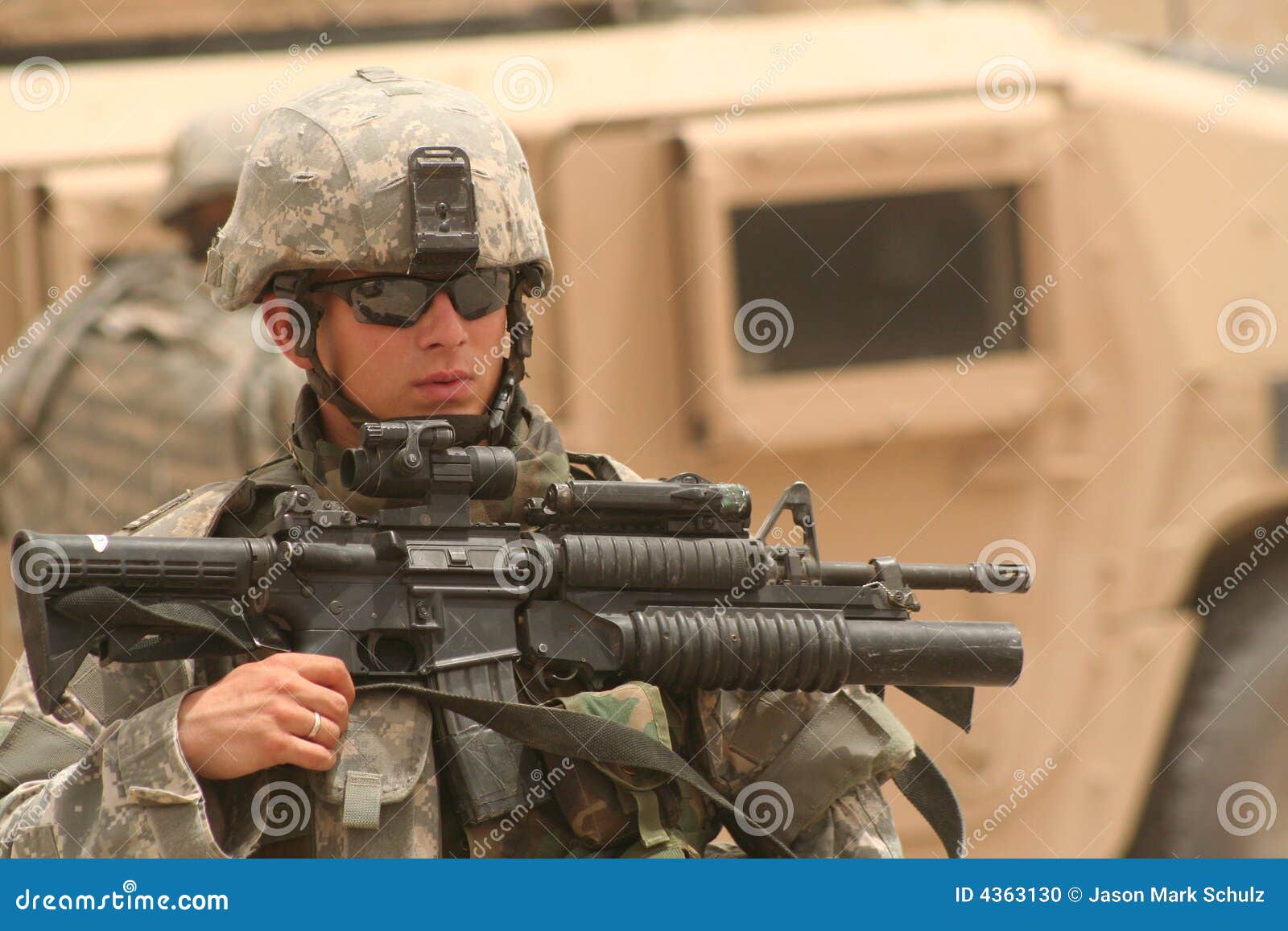
The phrase “armed to the enamel” evokes a strong picture, immediately conjuring up connotations of aggression, preparedness, and typically, even concern. This imagery is deeply rooted in cultural and societal perceptions of weaponry and its position in particular person and collective identities. Understanding these perceptions is essential to appreciating the phrase’s nuanced that means throughout totally different contexts and all through historical past.The notion of people or teams described as “armed to the enamel” is commonly tied to stereotypes and cultural anxieties.
The phrase can signify a perceived menace or a readiness for battle, typically linked to historic occasions, political climates, and prevailing cultural narratives. The interpretation of this phrase is way from static; its that means is formed by the precise context by which it’s used.
Cultural Connotations
The phrase “armed to the enamel” carries a variety of cultural connotations, typically influenced by historic conflicts and modern anxieties. In some cultures, it would symbolize an emblem of energy and resilience, whereas in others, it might signify a menace or an indication of societal instability.
Interpretations Throughout Cultures
Interpretations of “armed to the enamel” range significantly throughout cultures. In societies with a historical past of warfare or battle, the phrase would possibly evoke a way of preparedness and protection. Conversely, in cultures prioritizing peace and non-violence, the identical phrase is perhaps interpreted as an indication of aggression or a menace to social concord. This variation in interpretation highlights the significance of contemplating cultural context when analyzing the that means of the phrase.
Contextual Variations
The that means of “armed to the enamel” shifts relying on the encompassing circumstances. As an illustration, in a historic account of a battle, the phrase would possibly signify the troopers’ readiness for fight. In a recent information report, the phrase might consult with a bunch’s preparedness for a possible confrontation or a violent demonstration. Understanding the context is crucial for precisely decoding the phrase’s that means.
Stereotypes Related to Armed People
The phrase typically evokes stereotypes about people or teams perceived as “armed to the enamel.” These stereotypes regularly painting them as aggressive, violent, or probably harmful. This notion, whereas typically inaccurate, displays broader societal anxieties and prejudices associated to weaponry and armed battle.
| Frequent Themes | Stereotypes |
|---|---|
| Navy readiness | Aggressive, militant, threatening |
| Self-defense | Defensive, cautious, probably violent |
| Political battle | Rebellious, revolutionary, hostile |
Portrayal in Media
The portrayal of armed people in literature, movie, and different types of media typically reinforces or challenges these stereotypes. For instance, a protagonist armed to the enamel in a science fiction movie is perhaps introduced as a hero battling an alien menace, thereby redefining the stereotypical affiliation. Conversely, a villain armed to the enamel in a historic drama is perhaps depicted as a ruthless aggressor, additional reinforcing the destructive connotation.
Evolution of Utilization
The phrase’s utilization has developed over time, reflecting shifts in societal values and attitudes towards weaponry. In earlier eras, the phrase might need been used to explain a warrior’s full armament, emphasizing energy and bravado. In trendy instances, the phrase typically carries a destructive connotation, highlighting the potential for violence and battle. This shift in that means mirrors broader societal issues in regards to the proliferation of weapons and their affect on security and safety.
Navy and Strategic Implications
The possession of superior weaponry considerably impacts a nation’s strategic posture and world standing. This energy dynamic, typically described as being “armed to the enamel,” profoundly shapes navy operations, battle escalation, and worldwide relations. Understanding the interaction between weaponry, navy doctrine, and potential battle is essential for evaluating the implications of such a state of readiness.Superior firepower and technological developments affect how wars are fought, the potential outcomes, and the very nature of battle.
The flexibility to inflict devastating injury typically deters potential adversaries, however it will probably additionally create a harmful atmosphere of perceived vulnerability and escalate tensions. Nations with substantial arsenals should contemplate the potential for miscalculation and unintended penalties.
Strategic Significance of Superior Weaponry
Superior weaponry offers a nation with a strong deterrent in opposition to potential aggressors. The flexibility to inflict substantial injury shortly and successfully can dissuade adversaries from initiating battle. This strategic benefit permits for a extra proactive and assertive overseas coverage, typically shaping worldwide relations and influencing world energy dynamics.
Impression on Navy Operations and Outcomes
The provision of superior weaponry profoundly alters the character of navy operations. Trendy conflicts typically contain precision strikes, superior surveillance, and complicated logistical help programs, all closely reliant on subtle expertise. This functionality impacts the velocity, scale, and effectiveness of navy operations, probably resulting in decisive outcomes or extended conflicts, relying on the scenario. Examples embrace the usage of precision-guided munitions, superior air energy, and cyber warfare capabilities in modern conflicts.
Relationship Between Armament Ranges and Potential Battle Escalation
A perceived imbalance in armament ranges can create a local weather of concern and distrust, probably escalating tensions between nations. A state that feels “outmatched” is perhaps extra prone to resort to preemptive actions or defensive methods. The concern of being overwhelmed can set off a cascade of occasions resulting in battle, which can be miscalculated and catastrophic.
Examples of How Superior Weaponry Impacts a Nation’s Navy Posture and Worldwide Relations
The possession of superior weaponry can considerably affect a nation’s navy posture and worldwide standing. A rustic with a sturdy and superior navy can challenge energy and affect, shaping worldwide relations. This affect is just not at all times constructive, as it will probably result in heightened tensions with different nations. A first-rate instance is the nuclear arms race of the Chilly Conflict, the place the concern of mutually assured destruction created a fragile peace.
Navy Doctrines and Methods Influenced by Entry to Superior Weaponry
Totally different navy doctrines and methods are tailor-made to leverage some great benefits of particular weaponry. The event and implementation of those doctrines are closely influenced by the supply of superior expertise and the precise threats confronted.
| Navy Doctrine | Strategic Emphasis | Weaponry Focus |
|---|---|---|
| Air Superiority Doctrine | Domination of air house | Superior fighter jets, air-to-air missiles, and long-range bombers |
| Mixed Arms Doctrine | Synergy between varied arms | Tanks, infantry, artillery, and air help |
| Particular Operations Doctrine | Focusing on enemy vulnerabilities | Specialised items, stealth expertise, and precision-guided munitions |
Flowchart Depicting Battle Escalation
(A visible illustration is omitted as requested, however a flowchart might depict a cycle starting with a perceived imbalance in armament ranges, resulting in elevated navy spending, strategic anxieties, and finally, the potential for battle. Every step would illustrate how the buildup of superior weaponry can create a harmful suggestions loop.)
Closing Wrap-Up
In conclusion, the idea of “being armed to the enamel” transcends easy navy energy. It embodies a posh interaction of historical past, tradition, and technique. From the relentless pursuit of technological development in weaponry to the societal perceptions it evokes, this evaluation underscores the profound affect of armament on human affairs. The echoes of previous conflicts and the anxieties surrounding future potentialities resonate deeply inside this exploration, prompting vital reflection on the connection between energy, preparedness, and peace.
FAQs: To Be Armed To The Tooth
What are some widespread misconceptions surrounding the idea of “being armed to the enamel”?
Misconceptions typically heart on equating “armed to the enamel” with solely offensive capabilities. Whereas offensive weaponry is an important side, it additionally encompasses defensive measures and the strategic benefit they supply. Moreover, the phrase typically overlooks the nuanced implications of weaponry on each navy operations and worldwide relations.
How does the idea of “being armed to the enamel” differ throughout varied historic intervals?
Totally different eras have witnessed various technological developments and societal values. As an illustration, the idea in antiquity seemingly centered extra on the effectiveness of particular person weapons, whereas trendy warfare emphasizes subtle weaponry and strategic doctrines.
What are some examples of how superior weaponry has influenced worldwide relations?
Historic examples abound, from the Napoleonic Wars to the Chilly Conflict. Superior weaponry typically shapes a nation’s navy posture, impacting its affect and relationships with different nations. This affect extends to diplomatic methods and negotiation ways.
